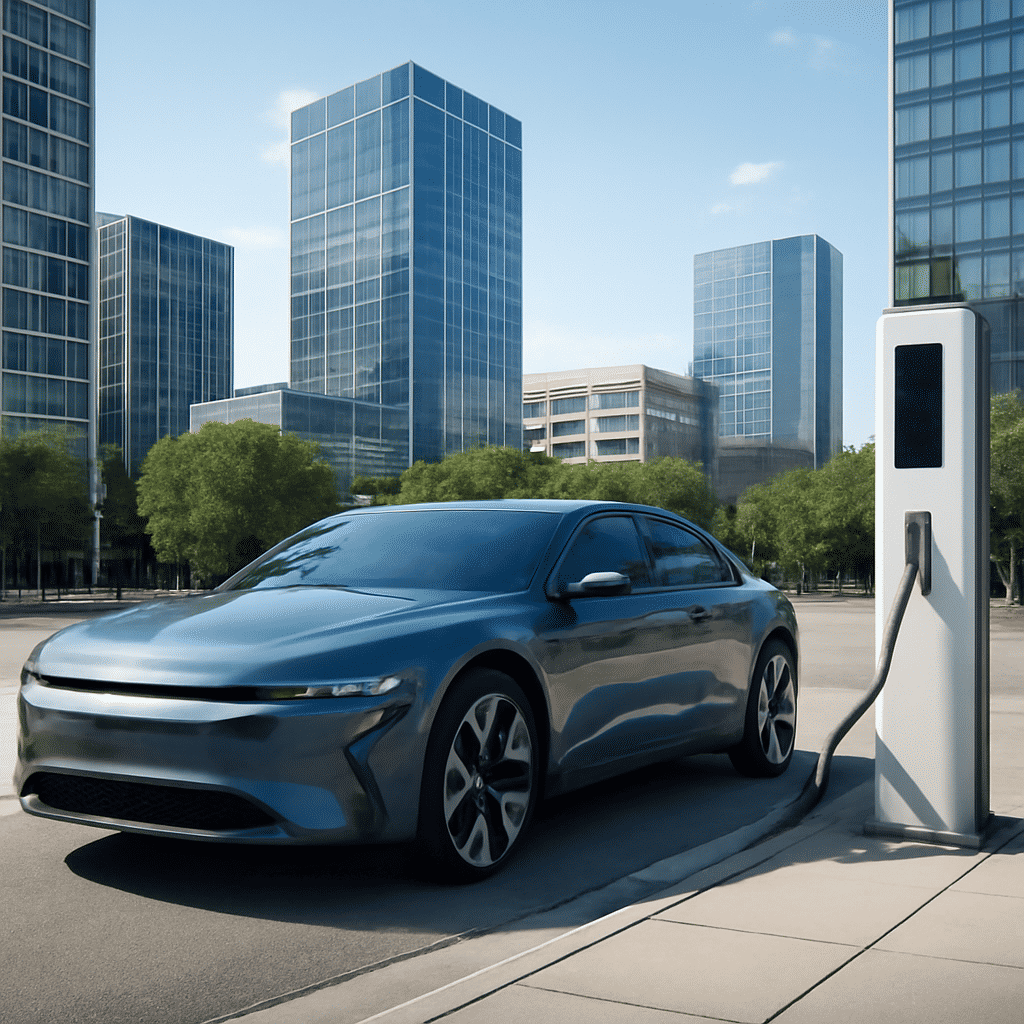
Electric cars are rapidly steering the automotive industry towards a new horizon, revolutionizing the way we think about transportation. As societies become increasingly conscious of environmental issues and climate change, electric vehicles (EVs) are emerging as a cornerstone of sustainable transportation. With advancements in technology, growing infrastructure, and increasing consumer acceptance, the electric car is set to become not just a vehicle of the future but a pivotal component of modern-day driving.
One of the most significant benefits of electric cars is their positive environmental impact. Unlike conventional vehicles that rely on fossil fuels, electric vehicles produce zero tailpipe emissions, potentially reducing the transportation sector's carbon footprint significantly. This reduction is crucial for combating air pollution and is a vital step towards achieving global climate targets. Additionally, the shift to electric cars means a decrease in noise pollution, resulting in quieter urban environments.
Economically, the adoption of electric cars can lead to considerable savings for consumers. While the initial purchase price of an electric vehicle may be higher than its gasoline counterpart, the long-term financial benefits are compelling. Electric cars have fewer moving parts than internal combustion engine vehicles, requiring less maintenance and offering lower running costs. Moreover, electricity is generally cheaper than gasoline, leading to reduced fueling expenses over time.
Despite these advantages, the transition to electric vehicles is not without its challenges. One of the primary hurdles is the availability and efficiency of charging infrastructure. While some regions are rapidly expanding their network of charging stations, many areas still lack the necessary facilities to support widespread electric vehicle adoption. Furthermore, the time required to charge an electric vehicle, even with high-speed charging technology, remains longer than a traditional fuelling stop, posing an inconvenience for some drivers.
The battery technology that underpins electric vehicles is another pivotal challenge. Current battery production involves resource-intensive extraction processes, primarily for lithium, cobalt, and nickel. These activities raise environmental and ethical concerns, leading to a need for more sustainable mining practices and the development of alternative energy storage solutions. Nevertheless, the industry is investing heavily in research and development to address these issues, with promising advancements in solid-state batteries and recycling processes.
Despite these challenges, the future outlook of electric vehicles is promising. Governments worldwide are implementing policies to encourage the adoption of electric cars, offering incentives such as tax breaks and subsidies, and setting ambitious targets for phasing out internal combustion engines. Manufacturers are responding by investing more in EV technology, diversifying their model offerings, and aiming to make electric cars more affordable for the average consumer.
The automotive landscape is on the cusp of a significant transformation driven by electric vehicles. As technology advances and infrastructure catches up, the benefits of owning an electric car will increasingly outweigh the challenges. By embracing this groundbreaking shift, society takes a crucial step towards a more sustainable, cleaner, and economically viable future of driving. Through the lens of industry experts and ongoing innovation, the electric car era promises to redefine not only how we drive but how we think about mobility and sustainability.